
Boarding a Dog With Separation Anxiety: What Actually Helps
As a pet parent, you want to know your pup is happy and cared for while you’re away. However, many furry friends experience separation anxiety when separated from their owners. Signs may include pacing, excessive barking, destructive behavior, or attempts to escape.
At Bark-A-Bout, we understand how difficult it feels to leave an anxious pup in someone else’s care. The right preparation can make the transition less overwhelming and give your furry companion time to become familiar with a new environment, routine, and caregivers. In this guide, we’ll cover everything you need to know about boarding a dog with separation anxiety.
Signs Your Dog Has Separation Anxiety (and Why It Matters for Boarding)
Some nervousness in a new environment is normal. However, some pups experience significant distress when separated from their owner, which may point to separation anxiety.
According to the American Kennel Club, separation anxiety is a behavioral condition in which a dog exhibits distress behaviors specifically when separated from their owner or attachment figure.
Signs of stress and anxiety in dogs include:
| What you may notice | Common signs | What to consider before boarding |
|---|---|---|
| Mild anxiety or stress | Pacing, whining, panting, trembling, or restlessness | A Meet & Greet or daycare visit may give your pup time to become familiar with the environment before an overnight stay. |
| Moderate anxiety or distress | Excessive barking or howling, destructive behavior, accidents, or difficulty settling | Tell boarding staff about your dog’s behaviors and triggers so they understand their needs before the stay. |
| Severe separation anxiety | Self-injury, repeated escape attempts, extreme panic, or behaviors that put your dog or others at risk | Speak with your veterinarian before boarding. They may recommend a treatment plan or referral to a qualified behavioral professional. |
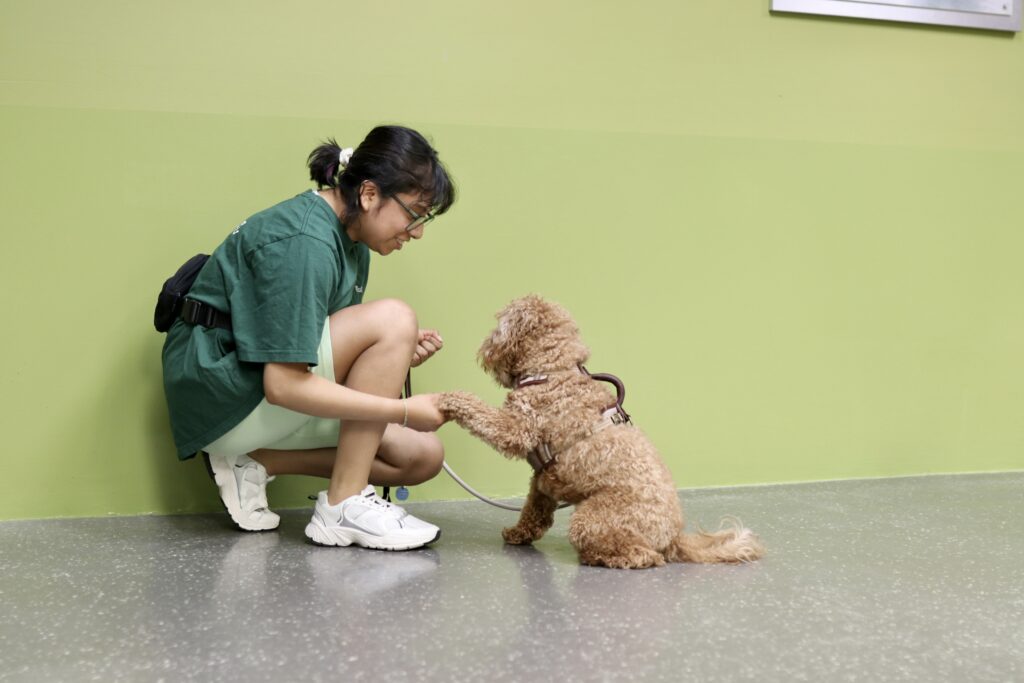
How to Prepare Your Dog for Their First Boarding Stay
When boarding a dog with separation anxiety, start preparing before drop-off day. Give your pup a chance to become familiar with the facility, pack approved comfort items, and share their needs with staff for a smoother transition.
1. Do a Daycare Trial Before the Overnight Stay
A shorter introduction gives your pup time to take in the new sights, sounds, smells, and people before an overnight stay.
At Bark-A-Bout, new guests start with a Meet & Greet. For an anxious pup, a daycare visit before boarding also helps them become familiar with the environment and routine.
2. Bring Familiar Comfort Items
Familiar items provide comfort while your dog is away from home. At Bark-A-Bout, we recommend bringing a blanket and one favorite toy.
You should also bring your dog’s regular food pre-bagged and labeled for their stay. We also offer NutriSource food if needed. Pack medications in their original bottles with clear instructions for staff.
Review hotel accommodations at Bark-A-Bout before your visit for more information about preparing for your pup’s stay.
3. Communicate Your Dog’s Triggers to Staff Before Drop-Off
Give staff specific details about what tends to upset your pup and what their stress looks like.
For example, tell the team if your dog becomes distressed around loud noises, unfamiliar people, certain handling, or other dogs. Also share relevant routines and behaviors you’ve noticed at home. This helps the team understand your pet’s individual needs before their stay.
What to Look for in a Boarding Facility for an Anxious Dog
The right boarding environment should give your pup structure, attentive care, and time to adjust. When comparing boarding for dogs with anxiety, ask how the facility supports dogs who feel nervous or overwhelmed.
Look for:
- A consistent routine: Predictable feeding, activity, and rest periods give dogs structure during their stay. Ask what a typical day looks like and how staff accommodate individual needs.
- Opportunities to visit beforehand: A Meet & Greet or daycare visit lets your pup experience the facility before their first overnight stay.
- Clear communication: Staff should welcome detailed information about your dog’s triggers, routines, medications, and behavior.
- Options for rest and downtime: Ask where dogs sleep and how staff handle pups who need space away from group activities.
- Visibility for pet parents: At Bark-A-Bout, we offer live webcam access, giving pet parents a way to check in while their furry companion is away.
Questions to Ask Any Boarding Facility Before You Book
A trustworthy boarding facility should welcome questions about how your dog will spend their stay.
Before booking, ask:
- What does a typical daily routine include?
- Do you offer a Meet & Greet or daycare visit before boarding?
- What food, blankets, toys, and other items should I bring?
- What do staff do if my dog isn’t eating, resting, or settling?
- Do you offer webcams or another way to check in during the stay?
Red Flags to Watch For During a Tour or Inquiry
Pay attention to how staff responds when you discuss your dog’s anxiety. Be cautious if a facility dismisses your concerns, doesn’t ask about your pup’s behavior or triggers, or cannot clearly explain what happens when a dog is anxious.
You should also feel comfortable asking about routines, supervision, rest periods, and communication. A facility should give you clear information rather than guarantee that an anxious dog will be “totally fine.”

Common Mistakes When Boarding an Anxious Dog
Even with careful preparation, a few choices may make the transition harder for a nervous pup. Avoid these common mistakes when boarding a dog with separation anxiety.
- Turning drop-off into a long goodbye: Keep your goodbye warm, calm, and brief rather than lingering once it’s time to leave.
- Making a long vacation their first stay: Start with a Meet & Greet, daycare visit, or shorter stay so the boarding environment isn’t completely new when you’re away for several days.
- Not telling staff about anxiety: Share your dog’s triggers, routines, and typical stress behaviors before you leave. Specific information helps staff better understand your furry companion’s needs.
- Choosing based on price alone: Consider the daily routine, supervision, accommodations, communication, and approach to individual care alongside cost.
- Expecting zero nervousness: A new environment may feel unfamiliar at first. Focus on choosing a facility that understands your dog’s needs rather than expecting a guarantee that your pup won’t experience any stress.
Help Your Pup Prepare for Their First Stay
A little preparation makes a new environment feel more familiar. Bark-A-Bout provides dog boarding in Macomb Township with personalized care focused on your pet’s individual needs.
Ready to get started? Schedule your pup’s Meet & Greet today.
Frequently Asked Questions
Can a dog with separation anxiety be boarded?
Dogs with mild or moderate separation anxiety may adjust to boarding with thoughtful preparation and a supportive environment. Talk with your veterinarian before boarding if your dog experiences severe distress, self-injury, or other concerning behaviors.
My dog has severe separation anxiety. What should I do?
Start by discussing your dog’s behavior with your veterinarian. They can evaluate your pup’s needs and determine whether behavioral treatment, medication, or another approach is appropriate before boarding.
What is the 3-3-3 rule for dogs with anxiety?
The 3-3-3 rule generally describes the adjustment period some rescue or newly adopted dogs experience over their first three days, three weeks, and three months in a new home. It isn’t a boarding rule, but gradual introductions such as a Meet & Greet or daycare visit may make a boarding environment more familiar before an overnight stay.
Can I leave my dog with separation anxiety with a sitter?
An in-home sitter may suit dogs that experience significant stress in unfamiliar environments, while other dogs adjust well to structured boarding after gradual introductions. Consider your dog’s behavior and speak with your veterinarian if their separation anxiety is severe.
