
Exercise for Dogs: How Much Does Your Dog Really Need?
Daily exercise is essential for your dog’s overall well-being. It helps them maintain a healthy weight, supports mental stimulation, encourages good behavior, and improves overall quality of life. However, the right amount of exercise for dogs depends on their age, breed, health, and energy level.
At Bark-A-Bout, we care for dogs of all breeds, ages, and activity levels at our full-service pet care facility in Shelby Township, MI. Here’s how to determine the right exercise routine for your dog and keep them healthy, happy, and confident.
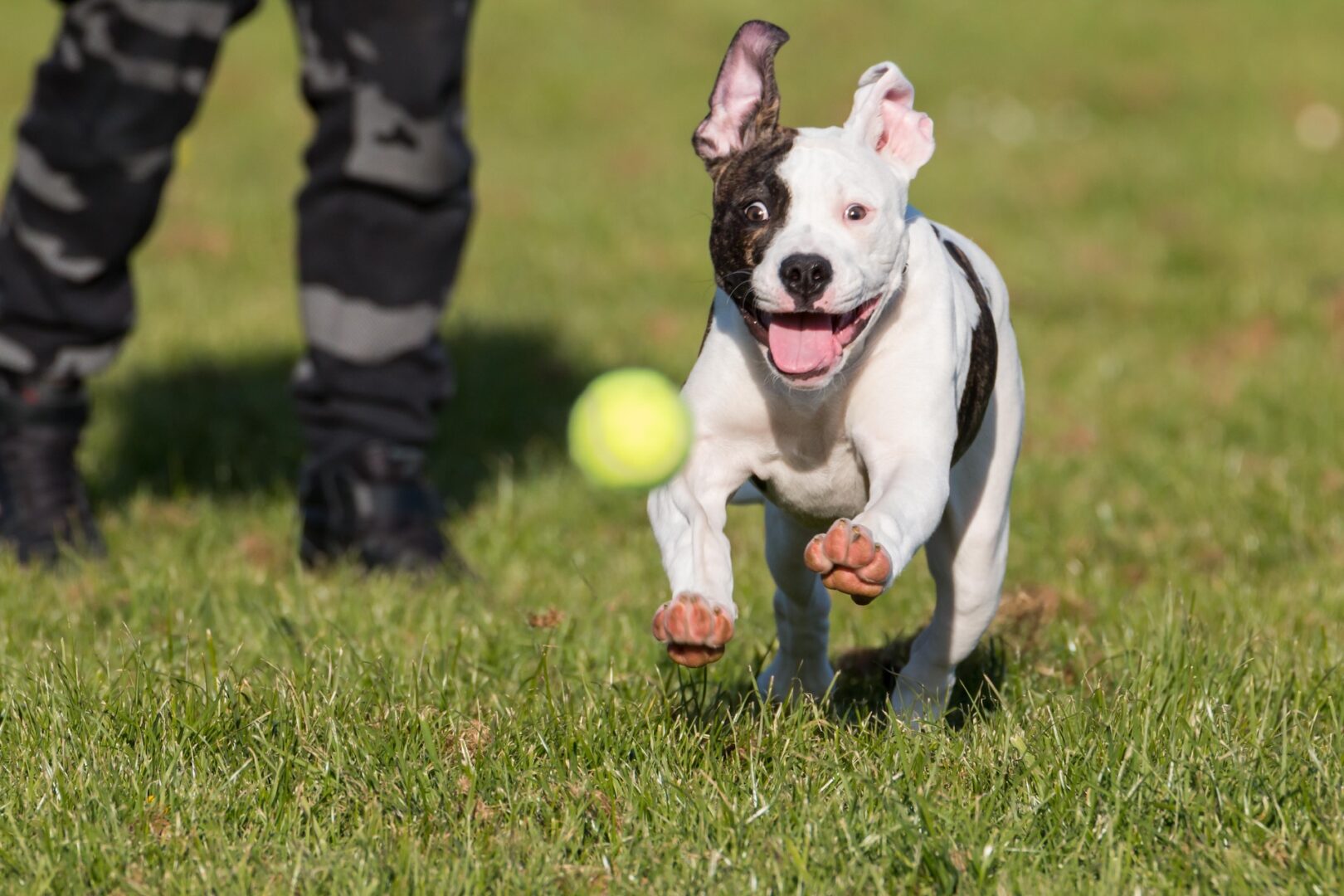
How Much Exercise Do Dogs Actually Need?
Most healthy adult dogs benefit from 30 minutes to 2 hours of exercise each day. However, breed, age, health, and energy level all play a role in how much activity your pup needs.
Here’s the best exercise for dogs based on breed:
| Dog Type | Daily Exercise | Good Activities |
|---|---|---|
| High-energy breeds (Border Collies, Australian Shepherds, Labrador Retrievers) | Need the most daily exercise and mental stimulation | Running, hiking, fetch, and swimming |
| Moderate-energy breeds (Beagles, Boxers, Cocker Spaniels) | Benefit from regular walks and active play | Walks, playtime, training games |
| Lower-energy breeds (Bulldogs, Pugs, Basset Hounds) | Prefer shorter, moderate exercise sessions | Short walks, gentle play |
| Puppies | Multiple short sessions | Play, basic training, short walks |
| Senior dogs | Short, frequent sessions | Gentle walks, swimming, enrichment |
Puppies vs. Adult Dogs vs. Seniors
Exercise needs also change throughout your pup’s life:
- Puppies: Follow the “5-minute rule” — about 5 minutes of exercise per month of age, up to twice daily, to help protect developing joints. For example, a 4-month-old puppy should get around 20 minutes of exercise per session.
- Adult dogs (1–7 years): Most adult dogs need about 30 minutes to 2 hours of daily exercise, depending on their breed, size, and energy level. High-energy breeds may need more activity, while lower-energy dogs may be happy with shorter walks and play sessions.
- Senior dogs (7+ years): Older dogs still benefit from regular exercise, but their routines should focus on comfort and joint health. Shorter, more frequent walks and low-impact activities are often better than long, strenuous sessions.
Why Dogs Need Regular Exercise
Regular exercise provides several benefits for both physical and mental well-being. Here are some of the physical and mental health benefits of exercise for dogs:
Physical Health Benefits
- Supports a healthy weight: Regular activity helps dogs burn energy, maintain muscle, and reduce the risk of becoming overweight.
- Promotes joint mobility: Low-impact activities like walking and swimming help keep joints moving comfortably while placing less stress on the body than high-impact exercise. Swimming can be especially beneficial for dogs recovering from injuries or those experiencing age-related stiffness.
- Improves cardiovascular health: Daily exercise strengthens the heart and lungs while building endurance over time.
- Encourages healthy digestion: Routine walks and play can help keep the digestive system moving normally and provide regular bathroom opportunities.
Mental and Behavioral Health Benefits
Your pup’s mental health is just as important as their physical well-being. Regular activity helps reduce boredom, which is one of the most common causes of unwanted behaviors like excessive barking, chewing, digging, and restlessness. It also provides an outlet for instincts like exploring, sniffing, and problem-solving.
For dogs working through behavioral challenges, regular exercise often works best alongside structured dog training. A well-exercised dog is typically more focused, easier to train, and better able to settle down at home.
Best Exercise Options for Dogs
The best exercise for dogs combines physical activity with mental stimulation. Mixing up your dog’s routine helps prevent boredom while supporting their overall health.
Here are some of the most effective ways to keep your dog active.
Walking, Running, and Active Play
Walking is the foundation of a healthy exercise routine. Most dogs benefit from at least two walks each day, and changing your route occasionally gives them new sights and smells to explore.
For high-energy breeds, running or jogging can provide a more vigorous workout once they’re fully grown. Puppies should avoid long-distance running until their joints have finished developing.
Fetch is another excellent way to burn energy. Short bursts of running followed by rest provide a challenging workout, especially for active breeds like Labrador Retrievers, Golden Retrievers, and Border Collies.
If you enjoy spending time outdoors, hiking offers both physical exercise and mental enrichment. Watch your dog for signs of fatigue, such as slowing down, excessive panting, or wanting to stop frequently, and adjust the activity as needed.
Indoor Exercise for Dogs
Bad weather doesn’t have to interrupt your dog’s routine. There are plenty of ways to provide exercise for dogs indoors and keep them engaged.
Some easy indoor activities include:
- Playing fetch in a hallway or open room
- Hide-and-seek with toys or treats
- Tug-of-war using a favorite rope toy
- Climbing stairs with supervision
- Obstacle courses made from household items
Puzzle toys, sniff mats, and food-dispensing toys are also excellent forms of mental exercise for dogs. While they don’t replace physical activity, they encourage problem-solving and can help tire out energetic dogs, especially on rainy days.
Swimming and Water Exercise
Swimming is one of the best low-impact exercises for dogs. It works the entire body while placing minimal stress on the joints, making it an excellent option for active dogs, seniors, and dogs carrying extra weight.
Not every dog is a natural swimmer, so introduce water gradually and always supervise them around pools, lakes, or other bodies of water. Some breeds, especially those with short noses and heavy builds, may need a properly fitted life jacket even in shallow water.
For dogs that enjoy the water, Bark-A-Bout’s aquatics program provides a safe, controlled environment where they can build strength, improve endurance, and have fun.
Low Impact Exercise for Dogs With Special Needs
There are several benefits of exercise for dogs with arthritis, mobility challenges, or extra weight. The goal isn’t to eliminate activity but to choose exercises that support their health without placing unnecessary stress on their bodies.
If your dog has a medical condition or chronic pain, talk with your veterinarian before starting a new exercise routine.
Exercise for Senior Dogs
Older dogs often slow down, but staying active remains important for maintaining muscle strength, flexibility, and mobility.
Instead of one long walk, try two or three shorter walks throughout the day. Gentle swimming, easy play sessions, and enrichment activities can also help keep senior dogs active without overexertion.
Avoid activities that involve repeated jumping, hard landings, or long runs. If your dog seems unusually sore or stiff after exercise, shorten future sessions and consult your veterinarian if the discomfort continues.
Exercise for Dogs with Arthritis
Dogs with arthritis usually benefit from gentle, consistent movement. Daily walks on flat surfaces and swimming are often excellent choices because they help maintain mobility while minimizing joint impact.
High-impact activities like repeated jumping, rough play, or sudden stops during fetch may increase discomfort for some dogs.
Exercise for Overweight Dogs
Dogs carrying extra weight often need more exercise, but it’s important to increase activity gradually.
Start with shorter walks at a comfortable pace and slowly build up the duration over several weeks. Swimming is another excellent option because it provides a full-body workout without putting additional pressure on the joints.
Pair regular exercise with a veterinarian-approved nutrition plan to support healthy, sustainable weight loss. The goal is steady progress, not rapid results.
How to Tell If Your Dog Needs More Exercise
Sometimes, a dog’s behavior is the best indicator that they need more physical or mental stimulation.
Common signs your pup needs more exercise include:
- Excessive barking
- Destructive chewing
- Digging
- Restlessness or pacing
- Difficulty settling down
- Frequent attention-seeking
- Weight gain
- Zoomies throughout the day
While these behaviors can have other causes, many improve once dogs have a consistent exercise routine that matches their age, breed, and energy level.
Frequently Asked Questions
How much exercise does a dog need each day?
Most healthy adult dogs need between 30 minutes and 2 hours of exercise each day, depending on their breed, age, and overall health. High-energy breeds often need more vigorous activity, while lower-energy dogs may do well with shorter walks and play sessions.
Is tug of war a good exercise for dogs?
Yes. Tug-of-war provides both physical and mental stimulation when played safely. Teach your dog a reliable “drop it” command and make sure you control when the game starts and ends.
What counts as mental exercise for dogs?
Mental exercise for dogs includes puzzle toys, sniff mats, obedience training, scent games, hide-and-seek, and food-dispensing toys. These activities challenge your dog’s brain and help reduce boredom, especially when outdoor exercise isn’t possible.
What is the best exercise for dogs with arthritis?
Low-impact exercise for dogs, like gentle walks and swimming, is often the best option for pups with arthritis or joint issues. They help maintain mobility without placing excessive stress on the joints. Always talk with your veterinarian before changing your dog’s exercise routine.
Can a dog get too much exercise?
Yes. Too much exercise can lead to soreness, fatigue, overheating, or injury. Watch for signs like excessive panting, limping, slowing down, or reluctance to continue, and adjust your dog’s routine as needed.
Give Your Dog the Exercise, Enrichment, and Care They Deserve
Regular exercise is one of the best ways to support your dog’s physical and mental well-being. Whether it’s a daily walk, a swim, or time spent playing with other dogs, staying active helps dogs live healthier, happier lives.
If you’re looking for a safe, engaging way to keep your dog moving, Bark-A-Bout offers doggy daycare, supervised swim sessions through our aquatics program, and enrichment activities designed for dogs of all ages and energy levels.
Ready to get started? Schedule your dog’s Meet-n-Greet today.
